








The Ideal Temperature and Humidity for a Server Room or Data Centre
What Are the Recommended Temperature and Humidity Levels?
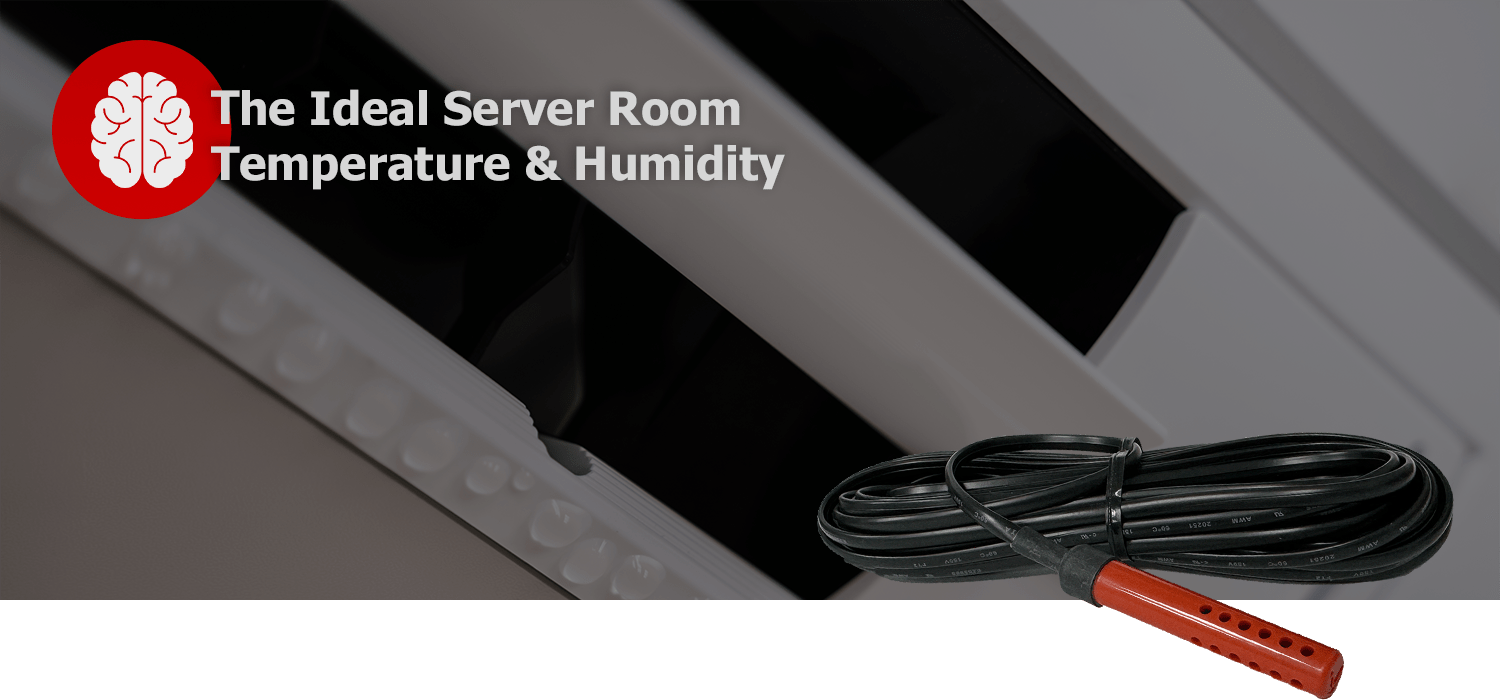
Environmental conditions in server rooms are guided by standards from recognised organisations like the Chartered Institution of Building Services Engineers (CIBSE) in the UK and ASHRAE internationally. These standards offer precise recommendations:
Temperature
- The ideal operating temperature for server rooms and data centres is between 18°C and 27°C.
- Temperatures below this range can lead to inefficiency, as cooling systems may overcompensate, resulting in wasted energy.
- Conversely, exceeding 27°C increases the risk of overheating, causing equipment to throttle performance, shut down, or fail entirely. Prolonged exposure to high temperatures can also shorten the lifespan of sensitive hardware components.
Humidity
- A relative humidity (RH) range of 40% to 60% is considered safe and effective.
- Low humidity levels (below 40%) create conditions conducive to electrostatic discharge (ESD), a phenomenon that can damage sensitive electronic components.
- High humidity levels (above 60%) increase the risk of condensation, which can lead to electrical shorts, corrosion of metal parts, and damage to circuit boards.
These standards are vital for preventing equipment failures and ensuring optimal performance, but achieving these targets requires ongoing attention.
Why Maintaining These Conditions Is Challenging in the UK
While the UK benefits from a temperate climate, several factors can make it difficult to maintain ideal server room conditions:
- Seasonal Weather Variations: Fluctuations in temperature and humidity between winter and summer can strain HVAC systems.
- Building Design: Many server rooms are located in older buildings with outdated insulation, ventilation, or cooling systems, making precise control of environmental conditions more challenging.
- Heat Load from Equipment: High-performance servers and networking equipment generate significant amounts of heat. As businesses grow and expand their IT infrastructure, the cooling requirements may surpass the capacity of existing systems.
- Unexpected Equipment Failures: Breakdowns in air conditioning units or dehumidifiers can lead to rapid deviations from optimal conditions, posing a risk to hardware.
The Role of Environmental Monitoring Systems
Environmental monitoring systems are critical tools for addressing these challenges and ensuring the safe operation of server rooms and data centres. Here’s how they help:
Real-Time Monitoring
Monitoring systems use sensors to continuously track temperature, humidity, and other environmental factors. This real-time data provides an accurate picture of conditions and ensures any deviations are quickly detected.
Alerts and Alarms
Modern systems can send alerts via email, SMS, or a dedicated mobile app when conditions fall outside the safe range. This allows IT managers to take immediate action, even outside of working hours, preventing minor issues from escalating into major failures.
Data Logging and Analysis
By recording historical data, monitoring systems enable IT staff to identify patterns, such as recurring temperature spikes during peak usage hours. This data can inform decisions on system upgrades or adjustments to HVAC schedules.
Compliance with Standards
UK-specific regulations, including BS EN 50600 for data centres and CIBSE guidelines, often require robust environmental monitoring. A monitoring system helps ensure compliance, providing documented evidence of environmental conditions when needed.
Cost and Downtime Prevention
The financial implications of server downtime are significant, with even short disruptions potentially costing thousands of pounds. Monitoring systems act as an early warning mechanism, reducing the risk of costly outages and ensuring business continuity.
Best Practices for Maintaining Optimal Conditions
In addition to installing an environmental monitoring system, consider these tips to maintain stability:
- Regular Maintenance: Schedule routine checks for HVAC and cooling systems to ensure they are functioning properly.
- Proper Airflow Management: Use containment strategies such as hot or cold aisle containment to improve cooling efficiency.
- Redundancy Systems: Implement backup cooling systems to handle unexpected failures.
- Upscaling as Needed: Monitor capacity requirements and upgrade cooling or monitoring solutions as your IT infrastructure expands.
Partnering with UK Experts
At BTI, we specialise in providing tailored environmental monitoring solutions designed for UK server rooms and data centres. Our systems are built to address local climate challenges, comply with relevant standards, and integrate seamlessly with your existing infrastructure.

Conclusion
Maintaining the correct temperature and humidity in your server room or data centre is more than just a technical requirement; it’s an investment in the reliability, efficiency, and safety of your IT infrastructure. With a robust environmental monitoring system, you can ensure optimal conditions, comply with UK standards, and avoid costly disruptions. Contact us today to learn more about how our solutions can support your business.